 Camp Verde AZ Experts Plumbers
Sewer Line Repair and Replacement in Camp Verde: Camera First, Then Decide
Sewage backing up into a tub, a floor drain that fills or a damp, smelly patch in the yard points to trouble in the line that carries waste away from the house. Emergency sewer line repair begins with a camera, not a shovel, because the pipe's condition decides whether the fix is a section, a lining or a full replacement. On the call, the dispatcher routes you to a plumber serving your area, and the camera comes first.
Call now, 24/7 See all 15 services
- Licensed and insured plumbers
- Same-day service when available
- 24/7 emergency dispatch
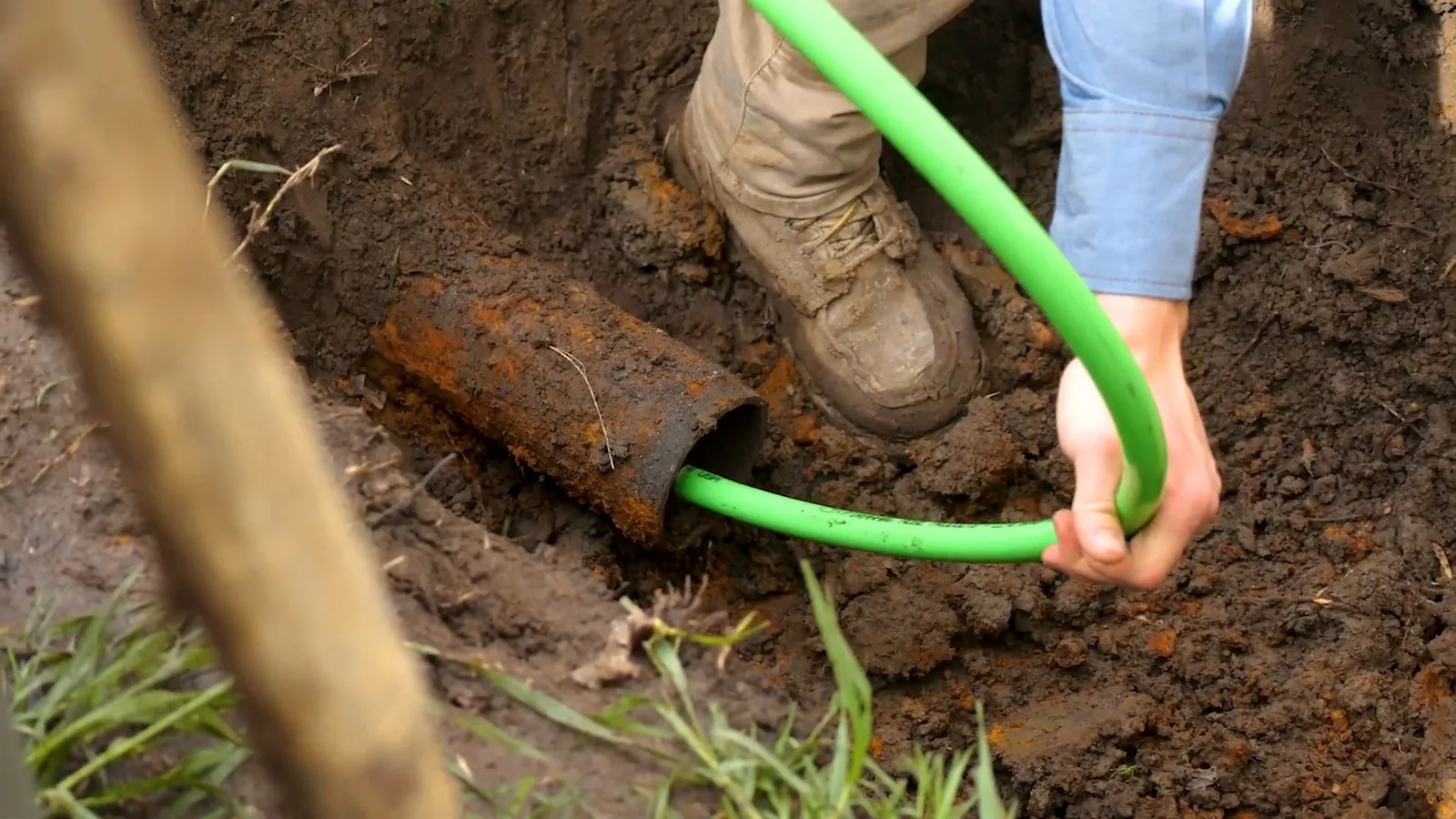
When a backup is the sewer line and not a clog
A drain clog is usually inside the house and clears with a cable or jet. A sewer line problem shows up as backups that return after cleaning, several fixtures affected at once, or damp ground over the line. Routine clearing belongs on the drain cleaning page, and the Camp Verde plumber homepage lists first steps for any plumbing emergency; this page covers what happens when the pipe itself has failed. Ask which fixtures slow first: a backup that shows at the lowest drain in the house, or in a tub when the washer runs, narrows where in the line the trouble sits.
Because water damage often follows a backup, see water damage restoration after a sewer backup for removal and drying of what got wet.
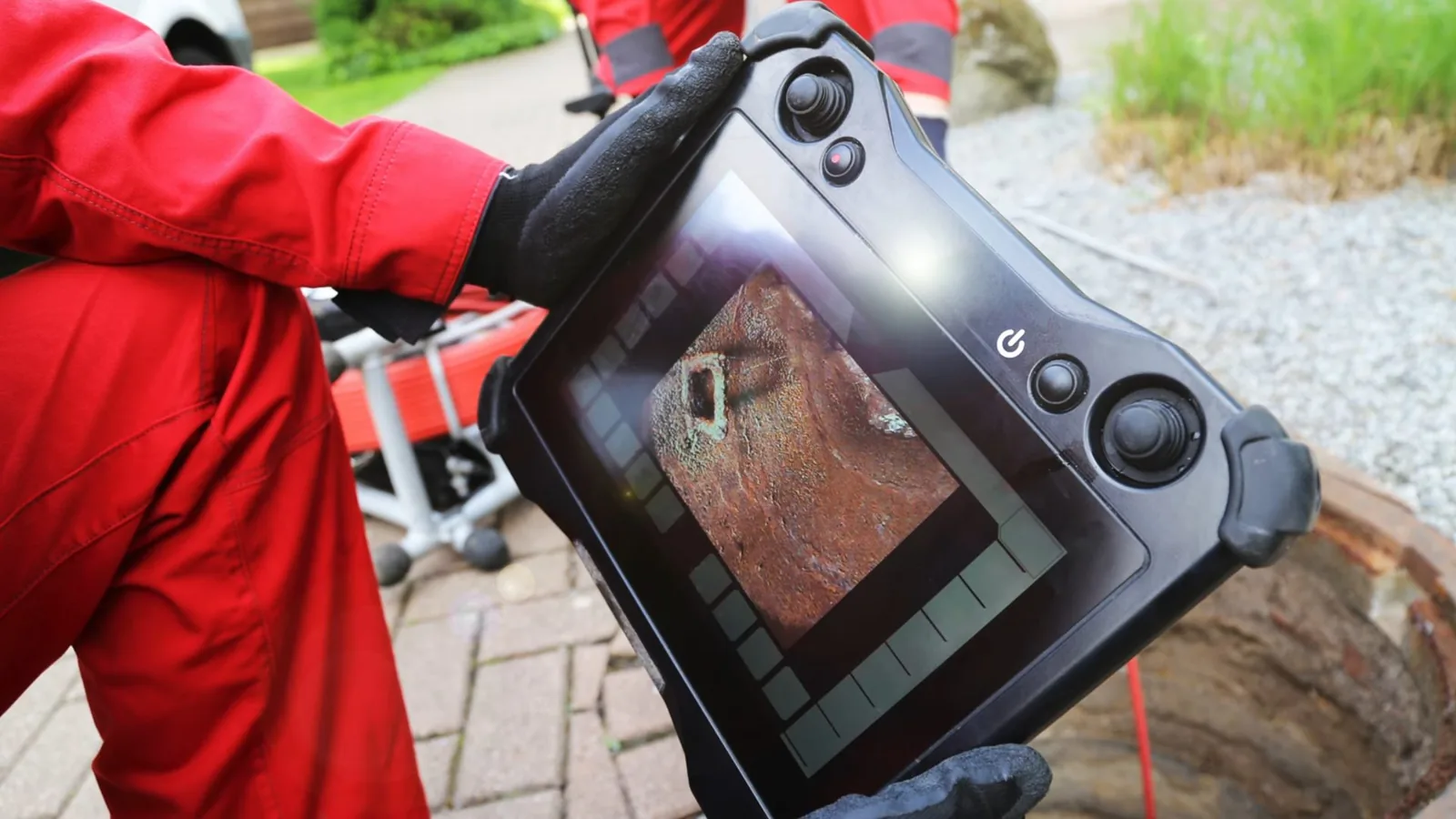
Camera inspection comes before any decision
A camera on a flexible cable travels the line from a cleanout and records the pipe wall, joints, breaks, roots and low spots, along with how far from the cleanout each sits. That recording is the evidence for everything that follows. A plumber who prices a replacement without it is guessing.
Ask for the clip and a marked location on the surface. If you recently bought the home and have a pre-sale scope report, hand it over; a repair plan usually needs more detail than a quick look provides.
The recording also shows what not to pay for. A line with one root intrusion may need only clearing and a follow-up check, while one with several offset joints points toward replacement. Ask whether the price comes from the recording, and keep a copy.
Sewage backing up?
Stop using water and call. Say whether the home is on Town sewer or septic.
Repair or replace the sewer line
A single break, one offset joint or a root intrusion in one spot can often be repaired in that section. Replacement fits when the pipe is cracked along much of its length, has collapsed in several places, is made of a material that fails with age, or keeps backing up after repairs.
| Method | How it works | What it needs | Questions to ask |
|---|---|---|---|
| Open trench | Dig along the line, remove the old pipe, lay new pipe | Clear access to dig, with landscaping and hardscape repaired afterward | What gets dug up and who restores it |
| Trenchless lining | A resin-coated liner is pulled through the old pipe and cured in place | A line that is sound enough to take a liner and is mostly straight | Will it reduce the pipe's inner diameter |
| Pipe bursting | A new pipe is pulled in as the old one is broken outward | Enough soil room and laterals that can be reconnected from pits | How are service connections handled |
The pipe's material matters. Cast iron, clay and fiber-based pipe all fail in different ways, so ask the plumber to read the material off the camera view or the pipe itself instead of guessing from the age of the house.
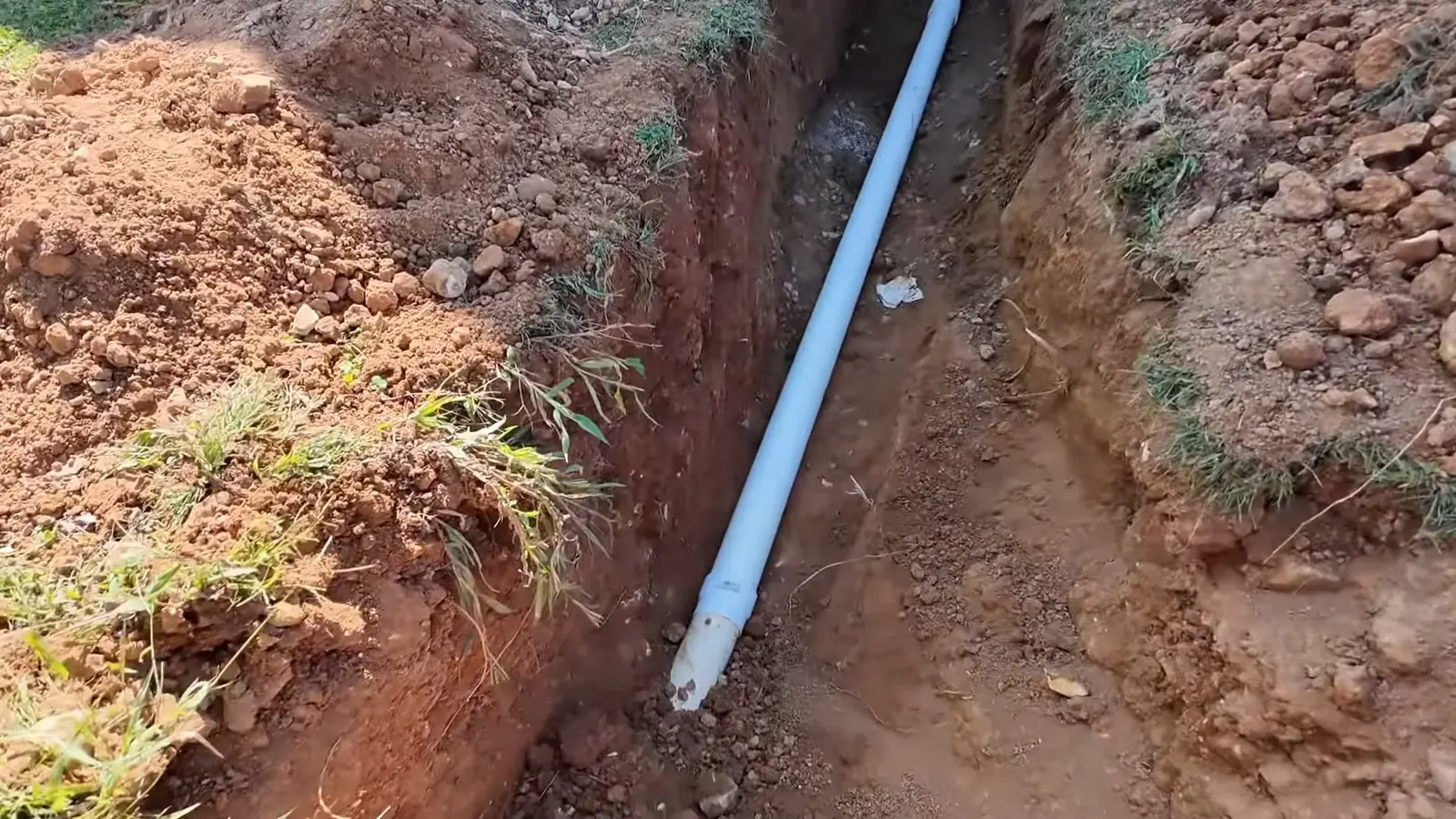
The lateral: homeowner or Town, who is responsible
The sewer line from the house to the main usually has two sections: a lateral that serves the property, and the main under the street. Where responsibility changes from owner to utility depends on the utility, and no rule for Camp Verde could be found. The Town operates one wastewater plant at 880 S. Cowboy Trail, and its permit form asks for a Town sewer permit or a septic permit, so confirm with the Town's utility staff before assuming a problem is yours or theirs.
Septic homes are different. A home on a septic system has no lateral to a sewer main, and tank or field work is a separate trade that this service does not cover. Permits for septic work come from Yavapai County Development Services.
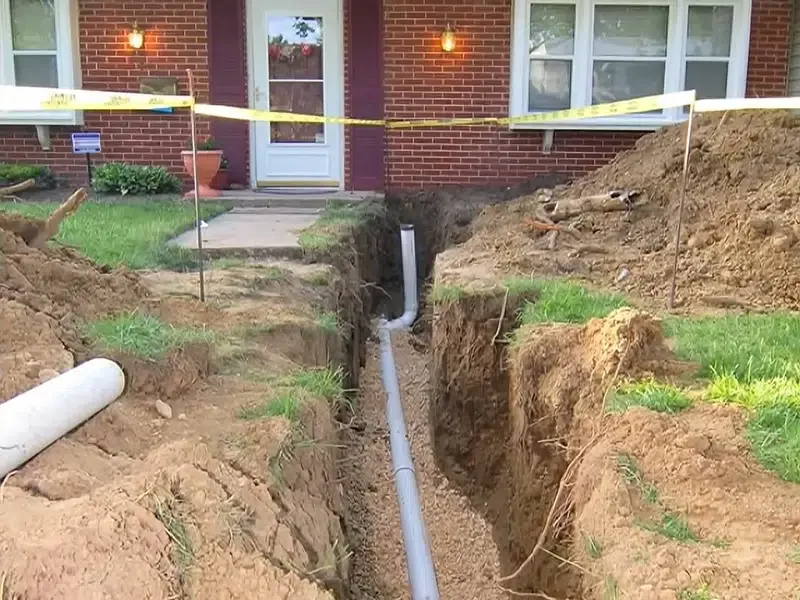
Need to know if it is a repair or a replacement?
The camera answers it. Ask for the recording.
Cleaning the line and what a cleanout is for
A sewer line can be cleaned with a cable or by hydro jetting, and a plumber may do that before a camera pass so the lens can see the pipe wall. It is a stopgap if the pipe is broken, so cleaning followed by a camera is the usual order when backups repeat.
A cleanout is a capped pipe that gives access to the line. Knowing where yours is, and keeping it uncovered, saves time at the worst moment. If you cannot find one, say so on the call.
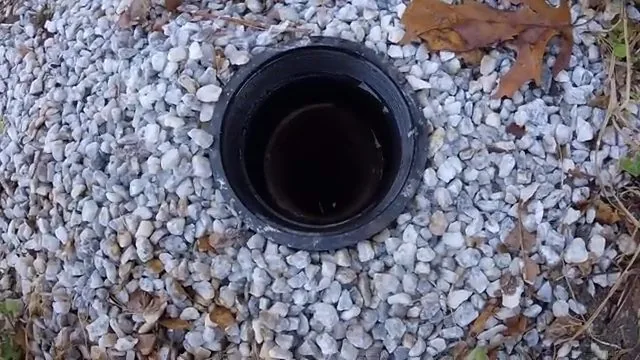
- Sewer smell: odor near the foundation or in the yard can come from a cracked line, a dry trap or a loose cleanout cap, and the camera sorts them out.
- Materials: cast iron, clay and similar older pipes are prone to cracking and root entry; plastic pipe fails at joints and low spots. Ask what you have.
Before any digging or permits
Arizona 811 must hear from you two full working days before a shovel goes in, so underground lines get marked.
Inside Town limits, the Building Safety Division (928-554-0050) can tell you if the work needs a permit, and the plumber should hold an Arizona Registrar of Contractors license. Properties outside Town limits go through Yavapai County Development Services for permits.
Drawn from Arizona 811 guidance, the Town zoning clearance application and the Building Safety page, read 2026-11-01.Sewer line questions
How do I know if I have a sewer line leak or break?
Signs include repeated backups after the drain has been cleared, a patch of lawn that stays wet or smells, a sunken strip over the line, and sewer odor near the foundation. A camera pushed through a cleanout is the way to confirm, because it shows the break and how far along the line it is.
What does a sewer camera inspection show me?
It shows the inside of the line: cracks, offsets where sections have shifted, roots entering joints, built-up grease and scale, and the pipe material. A distance reading tells the plumber how far from the cleanout each problem sits. Ask for the video and a marked location so the repair can be priced against facts.
Is a sewer camera inspection worth it, and is it the same as a home inspection scope?
They overlap but are not the same. A sewer scope done for a home sale is a limited look at the line, and a repair plan needs a closer look plus a marked location and depth. If you already have a scope report, bring it, and the plumber will say whether it is enough.
Can a damaged sewer line be replaced without digging up the whole yard?
Often, yes. Trenchless methods such as lining or pipe bursting work through small access pits instead of a continuous trench, but they fit only certain pipe conditions and layouts. The plumber has to see the camera inspection first to say which option applies.
What happens with a sewer lateral replacement that is trenchless?
The plumber digs access pits at each end, runs a new pipe or a lining through the old path, reconnects it and restores service. It generally means less landscaping disturbance than open trenching, though the pits still need to be backfilled and repaired.
- Licensed and insured plumbers
- Same-day service when available
- 24/7 emergency dispatch
Backups anywhere in the Verde Valley
Tell the dispatcher which drains are filling and where the home is.