 Camp Verde AZ Experts Plumbers
Emergency Water Damage Restoration in Camp Verde: Water Removal, Drying and Cleanup
Wet carpet, a stained ceiling, a soft spot in the floor or a musty smell are usually the first signs. By then water has already moved into materials, and every hour it sits makes the job larger. Water damage here means the removal side: getting standing water out, drying what can be dried and taking out what cannot.
Call now, 24/7 See all 15 services
- Licensed and insured plumbers
- Same-day service when available
- 24/7 emergency dispatch
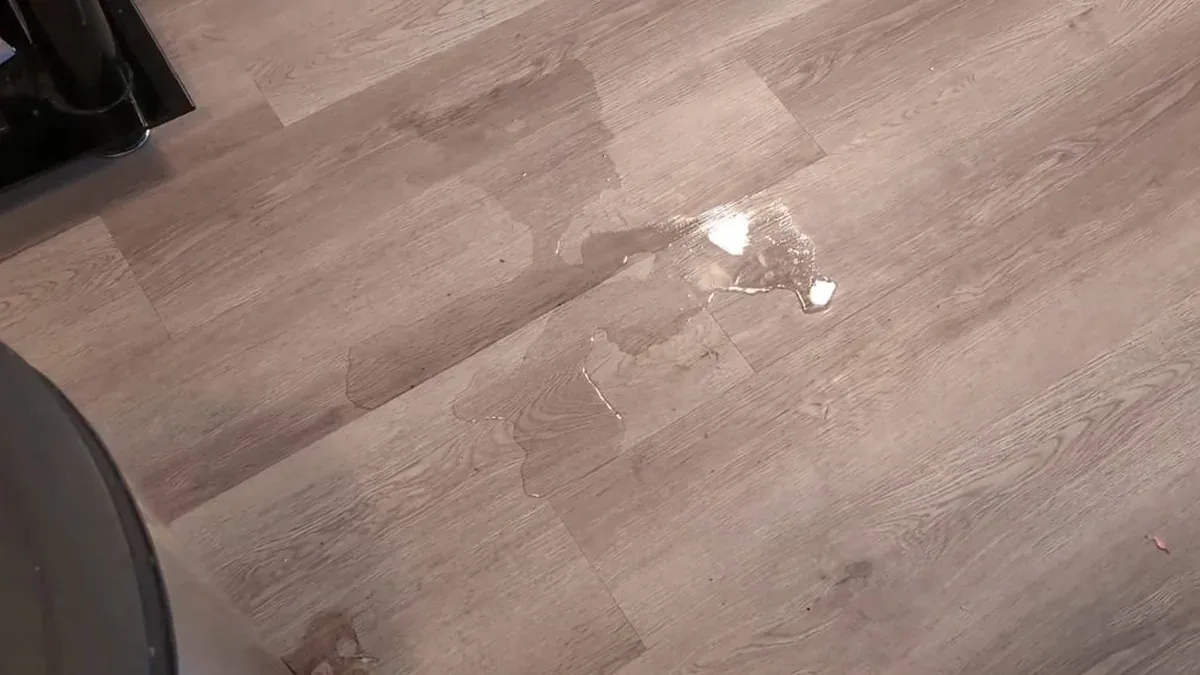
Water in the house: what to do before help arrives
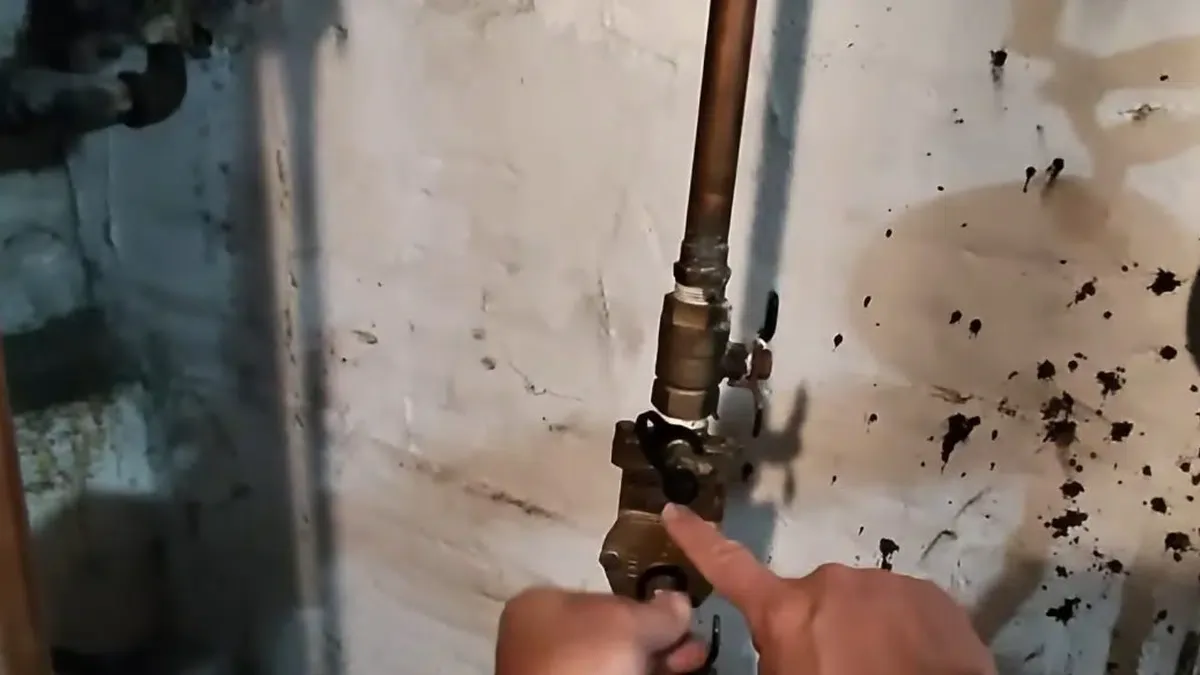
- Stop the source if you can: shut off the main water valve for a pipe or supply failure.
- Turn off power to wet areas at the breaker only if you can reach it without standing in water.
- Move furniture, rugs, papers and electronics out of the wet area.
- Photograph and video the damage, the source and anything that is ruined.
- Call the water damage line and describe what is wet, how much and for how long.
People describe it in different ways: a flood after the water was turned back on, water soaking a floor after a leak, a leak in the bathroom ceiling, or a water spot in a ceiling with no visible source. In every case damage grows the longer it is left unfixed, which is why the first call matters more than the exact cause.
Mention if the water came from a toilet, a drain or a sewer backup, because that changes the cleanup plan. Clean supply water, rainwater and sewage are handled differently.
Water extraction and removal
The first job is getting standing water out. Pumps and extractors pull water off floors, and the crew works toward the lowest point. Pulling water out quickly keeps it from wicking into drywall, baseboards and the pad under carpet.
Once the standing water is gone, the visit turns to what is still wet. Wet carpet pad, soaked insulation and swollen drywall are removed when they will not dry in place. Hard surfaces and framing are dried where they stand.
Homeowners search for a water remediation company or a water mitigation company, and either way the work is the same: extraction, drying and removal of what cannot be saved.
Removal is the part of the job that stops damage from spreading. The scope of what is taken out depends on how long the water sat and how far it traveled, which the plumber and the drying crew decide after checking moisture levels.
Drying equipment, flooring and carpet
Air movers push air across wet surfaces and dehumidifiers pull the moisture out of that air. Together they dry floors, walls and cavities without waiting on the weather. The equipment runs for days, and a moisture meter tells the crew when each surface is dry.
Flooring behaves differently by type. Carpet can sometimes be lifted, dried and relaid, while its pad is usually discarded. Hardwood and laminate may cup or buckle, tile is generally hardy but the subfloor beneath it may hold moisture, and vinyl can trap water below. Ask which materials the crew expects to save and which to remove.
Opening small holes in a wall, or pulling baseboards, lets air reach a wet cavity. That is normal part of drying, not a sign of extra damage.
Standing water in the house?
Shut off the main if you can and call the water damage line. Tell dispatch which rooms are wet.
Burst pipe and plumbing leak damage
A pipe failure can flood a room in minutes, or soak a wall slowly for weeks. Either way, the plumber repairs the pipe or fixture that failed and the drying crew handles the water. The two jobs fit together, so the pipe is stopped first.
The source decides which page applies. A split supply line sits with repiping and burst pipe repair, a failed water heater with a failed water heater and a leaking main with a leaking water main. A hidden or recurring leak starts with leak detection, and a leak below a floor may be a case for a leak below the floor.
Leaks from non-plumbing sources, such as a roof, a ceiling, an AC unit or irrigation, are not plumbing failures, but they still leave wet materials behind. The drying crew handles the water, and the source is fixed by the right trade.
Sewage backup cleanup
Water from a sewer or drain backup is contaminated, and it is not treated like a supply leak. Affected porous materials such as carpet, pad and drywall that touched it are usually removed, and hard surfaces are cleaned and disinfected. Keep children and pets away from the area, and avoid wading in it. Photographs taken before cleanup begins help later, both for the insurer and for the plumber who has to trace the cause.
The backup also has a cause that needs fixing. A blockage in the house line, a failure in the lateral or a problem with the municipal main each lead to a different repair. See clearing a blocked drain line for a blocked line and sewer line repair for a failed one. Ask who serves your address, since some properties are on septic.
Flooded crawl spaces, basements and whole-house flooding
Water in a crawl space, a lower level or across the whole floor plan takes longer to dry because it reaches framing, insulation and subfloors. The crew pumps it out, removes wet materials that cannot be saved and dries what remains. Whole-house flooding can need a long drying period and several visits for moisture readings.
When the water came from outside, the source is not a plumbing leak. Storm, river and rain flooding follow different rules. The Town of Camp Verde documents flood-prone low areas along the Verde River, Beaver Creek and West Clear Creek, and flood zone status and flood insurance questions go to the Town and FEMA, not to a plumber.
If water keeps entering through concrete or along a foundation wall after rain, that is a drainage or waterproofing question. Confirm what is causing it before anyone sells a fix. Sprinkler or irrigation water pooling against the house from outside is a separate source worth ruling out first.
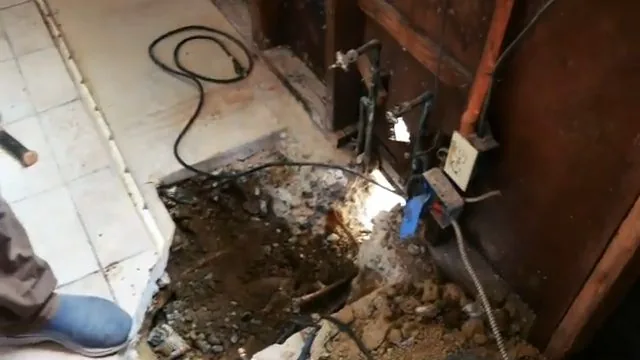
Pipe burst or sewage backup
Say where the water came from. It changes the cleanup plan.
Damage assessment and large-loss inspection
The assessment answers three questions: where did the water go, how wet is it and what has to come out. The crew checks floors, walls and ceilings with a moisture meter, marks the wet areas and records readings to compare after drying. It also looks along the path the water took, because moisture often travels beyond where it shows.
A large loss, such as a burst pipe in a vacant home that ran for days, needs a wider inspection. Water may have reached several rooms, the ceiling below and the insulation above. Documented readings and photographs make the scope clear for everyone involved, including your insurer.
Condos, apartments and commercial spaces add another layer, since water can pass to neighbors. For a business, see commercial plumbing.
What happens on a water damage job
- Call and describe the water, the rooms and how long it has been wet.
- The crew arrives, stops or confirms the source is stopped and photographs the damage.
- Standing water is extracted and wet materials are removed.
- Drying equipment is placed and moisture readings are taken.
- The crew returns to check readings and moves or removes equipment.
- Final readings show the structure is dry, and the plumber completes any pipe repair.
Insurance claims run alongside this. Keep photographs, readings and receipts, and tell your insurer early. A restoration crew can provide documentation, but coverage decisions belong to the insurer. Each step is recorded as it happens, so moisture readings can be compared from the first visit to the last.
Mold remediation and mold testing after water damage
Mold can begin when materials stay damp, and a musty smell or visible growth after water damage is the usual signal. Testing, through sampling or a moisture survey, finds out whether growth is present and where moisture is still feeding it. Test results guide what has to be taken out.
Understanding mold remediation starts with the order of the work. In residential mold remediation, the process is to take out contaminated materials, fix the moisture source and dry the area. The benefit is a dry structure that no longer feeds growth. Any contractor quoting the work should hand over an Arizona Registrar of Contractors license number, which you can verify on azroc.gov.
The scope of this page is removal and drying. Smoke and soot cleanup is a different trade.
- Licensed and insured plumbers
- Same-day service when available
- 24/7 emergency dispatch
Drying and removal across the Verde Valley
Tell dispatch what kind of water it is and which town you are in, and a crew will be routed.